
Evolution of Marketing
In olden days, which form is marketing? Its modern definition, encompassing the broader process of moving goods from producer to consumer with an emphasis on sales and advertising, emerged in the late 19th century. While the word itself has roots in the Latin word “mercatus,” meaning marketplace or merchant .
Marketing’s first form is exchange of goods which were consuming by people. Later some period Gradually this exchange became a maximum and high valuable single consuming item that is Cow, camel and Horse etc.,like animals. People trace out the animals became old age or infected by diseases Or expired, then got loss Highly. at that time emerged coin as an exchange. This coin was introduced by the ancient kingdom of Lydia, in 651 Bc means most probably 7th century. Now a days Lydia was called as Turkey.
firstly changing of consuming goods between the people of one village. Gradually improving of productis, people starts exchange the goods between other villages. In sequently developed a centre village for exchanging consume items with common exchange item ie.any animal ,cereal or coin etc. In these sequences once upon Market came in to existence. According to financial transactions among the exchange of consuming goods with Coin, any type of currency or another goods in this any market called as either business or marketing.
Digital vs Traditional Marketing: Which Is Right for Your Business?
In the rapidly evolving world of marketing, businesses are often caught between two powerful strategies: Digital and Traditional Marketing. Both have their unique strengths, and choosing the right one can significantly impact your brand’s growth and ROI. Marketing is providing many job opportunities and exchnging of goods with a currency either rupee, doller, Euro etc.
In this blog, we’ll explore the key differences between Digital and Traditional Marketing, their pros and cons, and help you decide which strategy suits your business needs.
What Is Traditional Marketing?
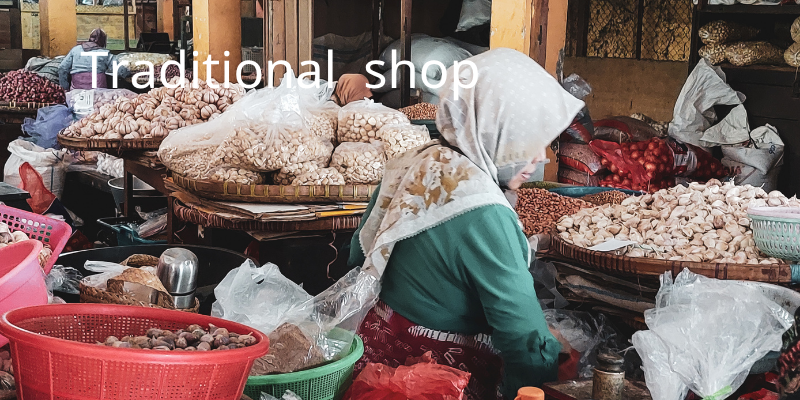
Traditional refers to the conventional methods of marketing used before the internet era. It involves offline strategies to reach a broad audience.
Examples of Traditional Marketing:
- Television and radio advertisements
- Newspaper and magazine ads
- Billboards and banners
- Flyers, brochures, and direct mail
- Tele marketing and event marketing
Key Features:
- Tangible and physical form of promotion
- Works well for local audiences
- Ideal for mass marketing and brand recognition
What Is Digital Marketing?
Digital uses the internet and electronic devices to promote products or services. It includes various online platforms and tools to target specific audiences and track results in real time.
Examples of Digital Marketing:
- Search Engine Optimization (SEO)
- Social Media Marketing (SMM)
- Email Marketing
- Content Marketing (blogs, videos, infographics)
- Pay-Per-Click (PPC) Advertising
- Affiliate and Influencer Marketing
Key Features:
- Highly measurable and data-driven
- Global reach with targeted campaigns
- Interactive and engaging user experience
Digital vs Traditional Marketing: Key Differences
| Feature | Traditional | Digital |
|---|---|---|
| Medium | Offline (print, radio, TV) | Online (websites, social media, email) |
| Reach | Local or regional | Global |
| Cost | Expensive (TV, print ads) | Cost-effective (PPC, SEO, social media) |
| Targeting | Broad audience | Specific demographics |
| Analytics | Difficult to track ROI | Real-time analytics |
| Engagement | One-way communication | Two-way interactive communication |
| Flexibility | Less flexible, time-consuming to change | Easily adjustable and scalable |
Pros and Cons of Traditional
✅ Pros:
- High credibility and trust factor
- Great for reaching non-digital audiences
- Effective for local branding and mass exposure
- Tangible promotional materials (flyers, banners)
❌ Cons:
- Hard to measure effectiveness
- High cost and limited control over performance
- No real-time interaction with the audience
- Limited audience targeting
Pros and Cons of Digital
✅ Pros:
- High ROI and cost-efficiency
- Detailed analytics and performance tracking
- Easy audience targeting by age, interests, behavior
- Real-time customer interaction and engagement
- Easy to update and scale campaigns
❌ Cons:
- Requires technical knowledge and strategy
- Highly competitive digital space
- Dependence on internet access
- Can be ignored or blocked (e.g., ad blockers, spam filters)
Which One Should You Choose?
The choice between digital and traditional marketing depends on various factors, such as your target audience, budget, goals, and industry type.
🔍 Choose Traditional Marketing If:
- You target an older demographic
- You want to build local trust and visibility
- Your product/service benefits from physical representation
- You have a large budget for broad exposure (e.g., TV, newspapers)
🌐 Choose Digital Marketing If:
- You want real-time data and analytics
- You’re targeting millennials or Gen Z
- You prefer a cost-effective solution
- You need scalability and quick updates
Why Digital Marketing Is the Future
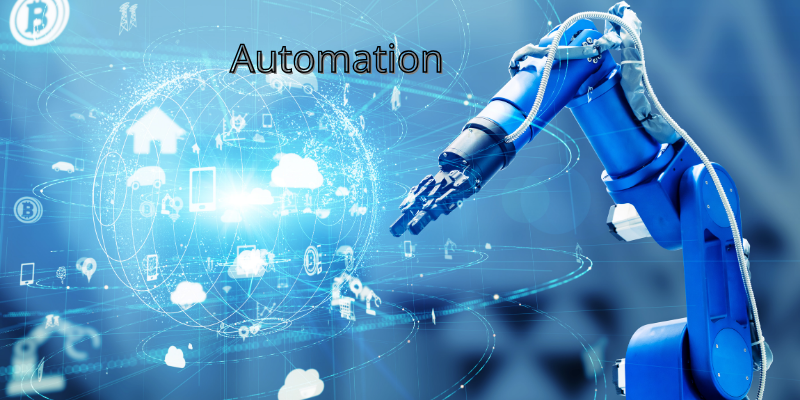
With the world becoming more digitally connected, digital marketing offers endless opportunities for businesses of all sizes. According to industry reports:
- More than 5 billion people use the internet globally
- Over 4.5 billion are active on social media
- Businesses using digital marketing report up to 3x better ROI than traditional marketing
Key Benefits of Digital:
- SEO Optimization: Appear at the top of Google search results
- Social Media Reach: Platforms like Facebook, Instagram, and LinkedIn help build loyal communities
- Email Campaigns: Personalize communication with segmented audiences
- Content Creation: Blogs and videos improve brand awareness and SEO rankings
- Retargeting Ads: Re-engage visitors who didn’t convert the first time
Digital Trends You Should Know in 2025
To stay ahead, consider leveraging the latest digital trends:
- AI-Powered Marketing Tools
- Voice Search Optimization
- Video and Reels Marketing
- Influencer Collaborations
- Chatbots and Automation
- Personalized Email Campaigns
Incorporating these into your strategy can give your brand a competitive edge.
Combining Both: The Hybrid Approach
Some successful businesses use a hybrid marketing strategy that blends traditional and digital marketing to reach a broader audience.
Example:
- Use billboards and newspaper ads to build local brand awareness
- Follow up with a digital campaign (e.g., Google Ads or Instagram promotions) to drive website traffic or app installs
This way, you’re not only getting visibility offline but also creating engagement online.
Final Thoughts
Both Digital and Traditional Marketing play important roles in the business world. But the right strategy depends on your goals, audience, and budget.
Summary Table:
| Criteria | Best Option |
|---|---|
| Low budget, high ROI | Digital Marketing |
| Local event promotion | Traditional Marketing |
| Global reach | Digital Marketing |
| Elderly audience | Traditional Marketing |
| Real-time feedback & engagement | Digital Marketing |
Ready to Boost Your Marketing Strategy?
Whether you’re a startup, small business owner, or marketing manager, it’s time to harness the power of digital for long-term growth.
🚀 Start with a Digital Marketing Course tailored to your industry or hire professionals who can manage it for you.
👉 Contact us today to learn how we can help you grow your brand using smart marketing strategies.
SEO Keywords Used:
- Digital vs Traditional
- Benefits of digital
- Traditional examples
- Which is better: digital or traditional marketing
- Digital trends 2025
- ROI in digital marketing
- Offline vs online marketing
Absolutely! Here’s a YouTube’s script outline with ten engaging bullet points you can use for your video on Digital vs Traditional Marketing. This structure is perfect for a video of around 3–5 minutes with hooks, value points, and a call to action:
🎬 YouTube‘s Script Bullet Points are: Digital vs Traditional Marketing
- [Hook/Intro – 10 sec]
“Digital or Traditional? Which marketing method actually works in 2025? Let’s break it down in simple terms!” - [Definition of Traditional Marketing]
“Traditional includes print ads, billboards, TV, radio—basically everything offline. It’s been around for decades and still works, especially for local audiences.” - [Definition of Digital Marketing]
“Digital uses the internet—think social media, SEO, Google Ads, emails, and YouTube—perfect for targeting online users and tracking performance in real-time.” - [Reach Comparison]
“Traditional marketing reaches a broad audience, but digital lets you target specific users based on age, location, interests—even behavior!” - [Cost Factor]
“TV ads and print media can cost lakhs or crores! Digital campaigns? You can start with just ₹500 and still reach thousands.” - [Measurability]
“Digital wins here. You can track clicks, conversions, and even which post brought in the most sales. Traditional? Not so easy.” - [Audience Engagement]
“Digital is interactive—likes, shares, comments, DMs. Traditional is more one-sided and static.” - [Best Use Cases for Each]
“Use traditional for brand credibility, local impact, and older audiences. Use digital for growth, younger users, and fast ROI.” - [Hybrid Strategy Works Best]
“Combine both! A billboard with your Instagram handle or a print ad that leads to your website works wonders!” - [Call to Action]
“So, what’s your move? Comment below—are you team Digital or Traditional? And don’t forget to like, share, and subscribe for more marketing insights!”